How Essex Freemasonry may have helped win the 1966 World Cup
A ‘playful theory’ that England’s 1966 tactics owed less to touchlines and more to lodge rooms, aprons and brotherly geometry
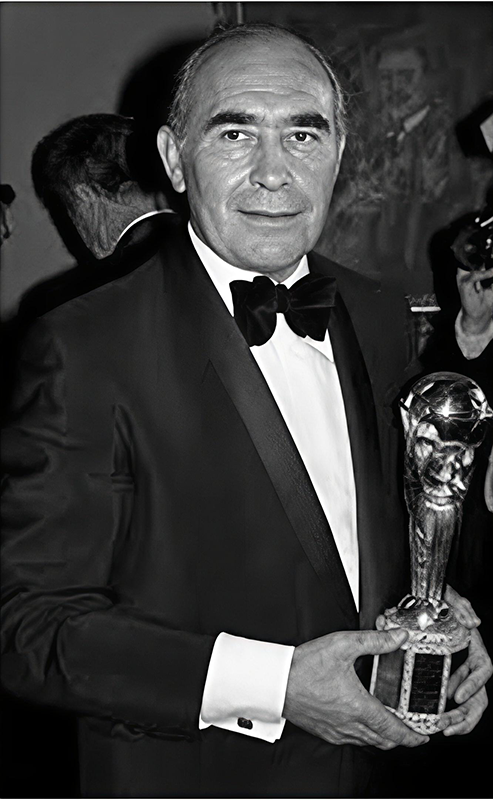 History insists that England’s victory in the 1966 FIFA World Cup Final came down to tactical brilliance, disciplined players and one unforgettable hat-trick. Yet as a Mason, I offer a theory that might one day grace the turf of football folklore. Could Sir Alf Ramsey, England manager and proud Freemason, have drawn inspiration not only from training pitches and chalkboards, but from the calm geometry of the lodge room?
In 1953 Sir Alf was initiated into Waltham Abbey Lodge No. 2750. Long before England lifted the Jules Rimet Trophy, he had spent evenings in rooms arranged with ritual precision, absorbing lessons about order, balance and brotherhood. And then, quite suddenly, he unveiled the most orderly, balanced and brotherly tactical system English football had ever seen.
Coincidence? Perhaps. But the evidence, while delightfully speculative, is irresistible.
Start with Ramsey’s famous ‘wingerless’ system, the one that earned England the nickname ‘Wingless Wonders’. For decades, English football had worshipped wingers like sacred birds glued to the touchline, endlessly delivering crosses. Ramsey calmly removed them. Instead, his players drifted inward, forming a compact and harmonious structure in the centre of the pitch.
A Freemason might say he simply brought the brethren into due form.
The midfield trio of Nobby Stiles, Martin Peters and Alan Ball looked suspiciously like something lifted from a Masonic tracing board. Stiles anchored proceedings with the watchful vigilance of a lodge officer guarding the door. Peters glided intelligently through space, forever finding the right position. Ball ran ceaselessly between defence and attack, as though personally obligated to keep the entire structure standing.
Behind them stood the quietly commanding figure of Bobby Moore. If Ramsey was the architect of the design, Moore was the master craftsman ensuring every stone sat perfectly square. As captain and centre-half he read the game with remarkable clarity, stepping forward calmly to intercept danger and carrying the ball out of defence with effortless composure. In Masonic terms he seemed to embody the virtues of judgement and balance, always measuring the moment before acting. While others dashed about the pitch with admirable industry, Moore simply ensured that the entire structure remained true to the line.
Then there was Bobby Charlton, given licence to roam across the attacking third linking play and launching thunderous long-range shots. On the team an inside forward. In Lodge-room terms he might well have been the Director of Ceremonies, free to move while everyone else maintained the pattern.
Even the full backs behaved like well-drilled brethren. George Cohen and Ray Wilson provided width only when required, overlapping with immaculate timing before returning quietly to their stations. It was less chaotic wing play and more ritual performed with admirable decorum.
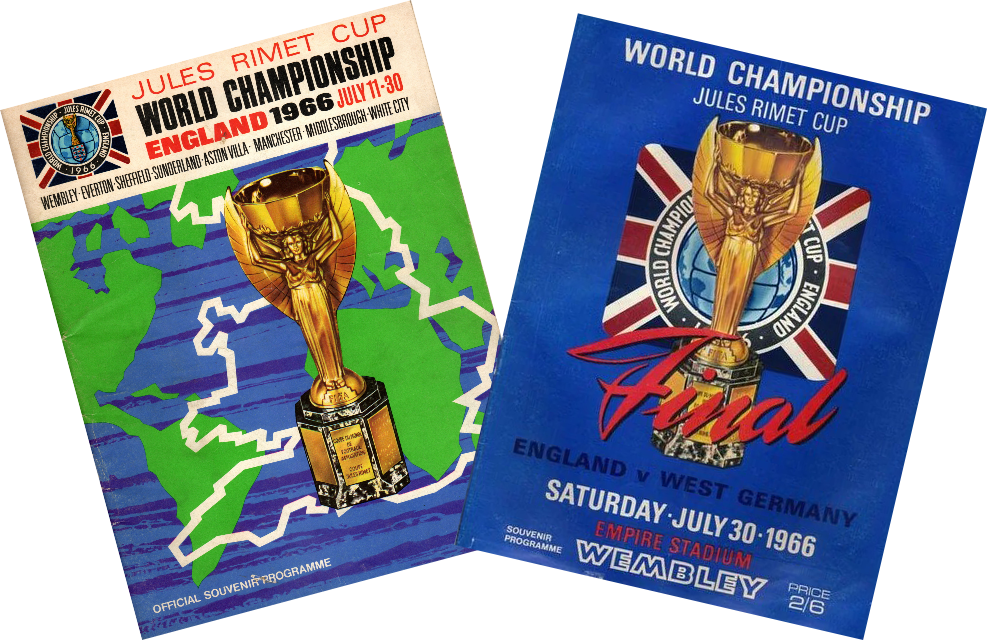 Ramsey himself presided from the touchline with the calm authority of a man used to orderly proceedings. Observers described him as meticulous, composed and quietly commanding. Anyone familiar with a well-run lodge might recognise the style instantly.
In the final, play unfolded with the rhythm of a carefully rehearsed ceremony. Positions held. Pressure applied. The structure never wavered. When Geoff Hurst completed his famous hat-trick, the tactical design seemed to click into place like the final movement of a perfectly arranged ritual.
Naturally, the real credit belongs to Ramsey’s football genius and a team of extraordinary players. But the notion that a lodge-trained instinct for harmony and order might have influenced England’s most celebrated side adds a charming extra layer to the story.
So, as the 60th anniversary approaches, one playful conclusion presents itself.
England did not simply play in formation - They worked in harmony, trusted their brothers and followed the plan with quiet discipline.
In other words, on that famous day of 30th July 1966, they played as the Master Craftsman of Waltham Abbey Lodge in the Province of Essex, had employed and instructed them to do.
Sir Alf Ramsey remained a member of the Waltham Abbey Lodge for nearly 30 years but due to declining health, which had also impacted his football management career, he resigned from the Lodge in 1981. Following his death, his widow presented his regalia to the Lodge. It was framed and displayed at the Chingford Masonic Hall.
This article was written by Essex Freemason Johnny Skillicorn-Aston, a member of the Mitre Lodge No. 9307 that meets at Witham Masonic Hall.
Photos:
Top: Sir Alf Ramsey holding the Jules Rimet Trophy
Below: 1966 World Cup Final, souvenir programmes published by the 'World Cup Official Handbook'
[for those younger readers the cost of the programme 2/6 (two shillings & sixpence) old money equates to 12½ pence]