The King and the Craft: Provincial notes from English banknotes
News stories bringing the history of Essex Freemasonry alive to a modern audience
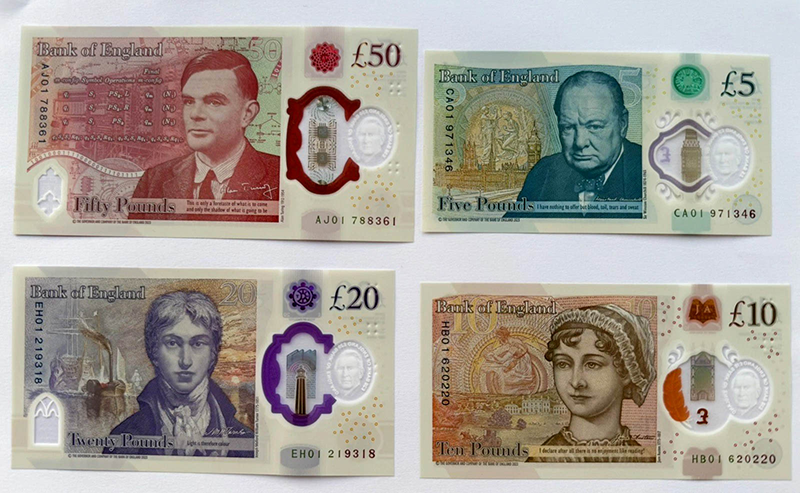
There are nearly five billion Bank of England notes in circulation, worth about £91.5 billion. Since 24 June 2024 they have carried the portrait of King Charles III. When we look more closely at the four different portraits on the reverse of these notes, we find that each one deepens our appreciation of Provincial history and Masonic heritage.
The reproduced portraits, and their original sources, on the current King Charles III £5, £10, £20 and £50 banknotes are:
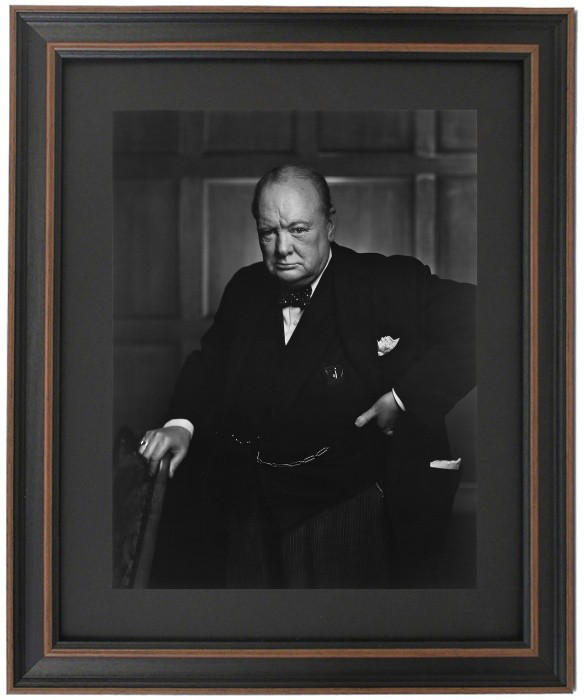 £5 note - Sir Winston Churchill was initiated into Studholme Lodge No. 1591 on 24 May 1901, passed to the Second Degree on 19 July, and was raised as a Master Mason on 25 March 1902. His Masonic apron and pouch are displayed in the Museum at Freemasons’ Hall.
His tenure as MP for Epping (1924–1945) followed two notable Provincial Grand Masters of Essex (PGM): Mark Lockwood, who served as MP for Epping from 1892 to 1917 and as PGM from 1902 to 1928, and Sir Richard Colvin, MP for Epping from 1917 to 1923 and PGM from 1929 to 1936. Their consecutive roles as MPs created a rare and striking overlap of political representation and Masonic presence within the same constituency.
Churchill later served as Prime Minister from 1940–1945 and 1951–1955, became a celebrated wartime leader, and built a distinguished career as soldier, historian, writer and artist. He remains the only British Prime Minister awarded the Nobel Prize in Literature and the first honorary citizen of the United States.
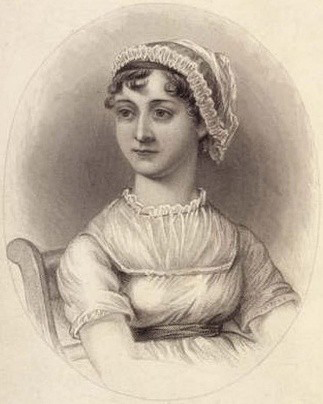 £10 note – Jane Austen’s novels portray from first-hand experience the daily reality of Regency‑era wealthy gentlemen. She reveals their social obligations: dinners, assemblies, civic duties and maintaining reputation.
This mirrors the four Regency-era Provincial Grand Masters of Essex: Thomas Dunckerley (1776–1795) travelling from Hampton Court Palace to his eight Craft and thirteen Royal Arch Provinces throughout England.
George Downing (1796–1800) and William Wix (1801–1823) as wealthy London lawyers journeying to Essex by post chaise; and William Honywood MP (1824–1831) balancing estate life at Marks Hall, Coggeshall, with public duty. Jane Austen’s detailed portrayals of travel, authority and social life accurately reflect how these PGMs lived and operated.
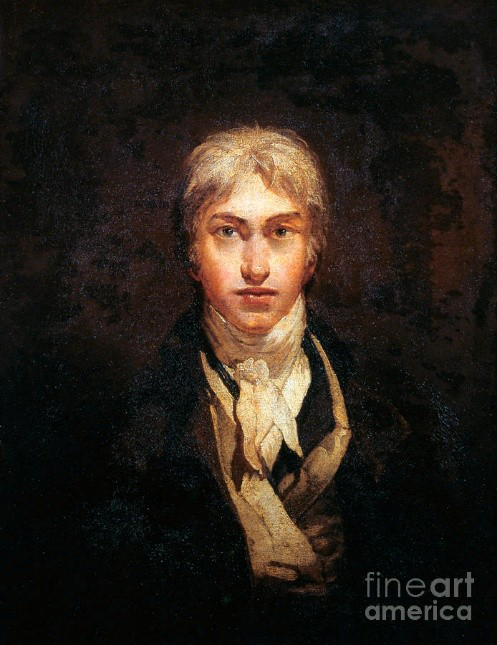 £20 note – Joseph Turner captured Regency life visually, revealing the changing world in which Thomas Dunckerley, George Downing, William Wix and William Honywood lived. His travels across Britain and Europe allowed him to paint modernising landscapes, new canals, expanding ports and the early signs of industry reshaping Georgian society.
Through luminous skies, turbulent seas and busy towns, Joseph Turner recorded the movement, energy and transformation of the age. While Jane Austen showed the social world of wealthy Regency gentlemen, Joseph Turner showed the physical world they travelled through: the roads, coasts and rapidly evolving England that framed the lives and thought-leadership of our four Regency-era Provincial Grand Masters of Essex.
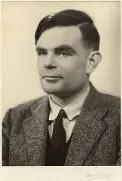 £50 note - Alan Turing, gave the world the Turing Test, asking whether a machine could ever think or converse so convincingly that its words might pass as human.
Essex Freemason and Treasurer of Quatuor Coronati Lodge No. 2076 the Premier Lodge of Masonic Research, Gerald Reilly, in his article Freemasonry and Generative AI, published in July 2023 in The Square Magazine, explored how modern AI brought that question sharply into public view, generating language and ideas that increasingly blur the line between human and machine.
Gerald Reilly noted that 300 years earlier the 1723 Constitutions of the Free‑Masons offered a framework for shaping civil society, and he pointed out that Freemasonry can again play a constructive role. He believes the Craft will benefit by forming lodge committees, connecting communities by postcode, encouraging continual re‑training, and developing an informed, popular AI strategy, all helping Freemasons strengthen civic responsibility in an age of accelerating technological change.
Read more: Freemasonry and Generative AI – The Square Magazine
Images and photos:
Top: Bank of England banknotes with King Charles III in the see-through window.
Top Left: £5 – Winston Churchill Yousuf Karsh’s 1941 photograph ‘The Roaring Lion’ made in the House of Commons on 30 December 1941, moments after he famously removed Churchill’s cigar, producing the stern expression that became one of the most reproduced photographs in history. © Estate of Yousuf Karsh, Courtesy of Library and Archives Canada Reproduced with permission of the Karsh Estate Additional holdings: National Portrait Gallery (UK).
Top Right: £10 – Jane Austen Engraved frontispiece after the James Andrews watercolour (1870). Reproduced in A Memoir of Jane Austen, by her nephew James Edward Austen‑Leigh, Richard Bentley, London, 1870. Public domain.
Bottom Left: £20 – Joseph Turner, Self‑Portrait, c.1799. Oil on canvas. Tate Britain, Turner Bequest (N00458).
Bottom Right: £50 – Alan Turing, photograph by Elliott & Fry, 29 March 1951. National Portrait Gallery, London. NPG x82217.